When it comes to construction projects, choosing the right materials plays a crucial role in ensuring durability and longevity. One such material that has gained popularity in recent years is Al-Zn coated steel sheet. This versatile and highly corrosion-resistant material is widely used in various applications, from roofing and siding to automotive parts and appliances. If you’re new to using Al-Zn coated steel sheet, this step-by-step guide will help you understand its benefits and how to work with it effectively.
Step 1: Understand the Benefits of Al-Zn Coated Steel Sheet
Al-Zn coated steel sheet, also known as Galvalume or Zincalume, offers several advantages over traditional steel. Its unique alloy composition of aluminum, zinc, and silicon provides exceptional corrosion resistance, even in harsh environments. This means that structures made from Al-Zn coated steel sheet are more likely to withstand rust, cracks, and other forms of corrosion, ensuring long-lasting performance.
Step 2: Determine the Required Thickness and Size
Before purchasing Al-Zn coated steel sheet, you need to know the required thickness and size for your project. Consider factors such as the load-bearing capacity, structural requirements, and aesthetic preferences. Consult with a structural engineer or a knowledgeable supplier to ensure you select the appropriate dimensions for your specific application.
Step 3: Prepare the Surface
To achieve proper adhesion and maximize the performance of Al-Zn coated steel sheet, it’s essential to prepare the surface before installation. Start by cleaning the surface thoroughly, removing any dirt, grease, or rust. Then, apply a suitable primer or pre-treatment to enhance the bonding strength between the coating and the steel surface.
Step 4: Install Al-Zn Coated Steel Sheet
Once the surface is properly prepared, you’re ready to install the Al-Zn coated steel sheet. Begin by measuring and cutting the sheet to the desired length and shape using appropriate tools. Remember to wear protective gear, such as gloves and goggles, during this process. Use fasteners recommended for Al-Zn coated steel to secure the sheet in place, ensuring proper alignment and spacing.
Step 5: Maintain and Protect
To extend the lifespan of your Al-Zn coated steel sheet, regular maintenance is crucial. Clean the surface periodically to remove dirt or debris buildup, and inspect for any signs of damage. If you notice any scratches or exposed steel, touch up those areas with appropriate corrosion-resistant coating. Additionally, consider applying additional protective coatings or sealants to enhance the longevity and appearance of the material.
Conclusion
Using Al-Zn coated steel sheet offers numerous benefits, from enhanced corrosion resistance to improved durability. By following these step-by-step instructions, you can confidently work with this material and ensure the success of your project. Remember to consult with experts and adhere to safety precautions throughout the process. With proper understanding and care, Al-Zn coated steel sheet can be a reliable and long-lasting choice for your construction needs.
Grain-oriented electrical steel coil, also known as transformer steel, is a specialized type of steel used in the construction of power transformers. Its unique grain structure makes it highly efficient in reducing energy losses. If you are new to working with grain-oriented electrical steel coil, this step-by-step guide will help you understand the basics and make the most out of this essential component.
Step 1: Understanding the Basics of Grain-Oriented Electrical Steel Coil
Grain-oriented electrical steel coil is manufactured by taking regular steel and subjecting it to a series of heat and pressure treatments. This process aligns the steel’s crystalline structure in a specific direction, known as the grain orientation. This orientation reduces the energy losses by minimizing magnetic flux leakage. The result is a highly efficient material for power transformers.
Step 2: Identifying the Right Specifications
Before using grain-oriented electrical steel coil, it is crucial to identify the specific requirements of your project. Consider factors such as core size, thickness, width, and electrical properties. By understanding your project’s needs, you can ensure that you select the appropriate steel coil to achieve optimal performance and energy efficiency.
Step 3: Handling and Storage
Grain-oriented electrical steel coil is a sensitive material that requires proper handling and storage to maintain its properties. When handling the coil, ensure that it remains free from any sharp edges or corners that could damage the delicate surface. It is recommended to wear gloves to avoid transferring oils or moisture onto the steel. For storage, keep the coil in a clean and dry environment, away from direct sunlight, moisture, and corrosive substances.
Step 4: Preparing the Coil for Use
Before using grain-oriented electrical steel coil, inspect it for any signs of damage or contamination. Ensure that the coil is free from rust, scratches, or dents that could affect its performance. If any issues are detected, it is advisable to consult the supplier or manufacturer for guidance. Clean the coil’s surface gently using a lint-free cloth and a mild solvent if necessary.
Step 5: Coil Handling and Cutting Techniques
When handling the coil for cutting, avoid any force that could cause deformation or stress on the material. Secure the coil firmly and use appropriate cutting tools, such as shears or high-speed blanking machines, to obtain the required dimensions. Follow industry best practices for cutting grain-oriented electrical steel coil to ensure precise and accurate results.
Step 6: Coil Assembly and Transformer Construction
Once you have obtained the desired dimensions, you can proceed with the coil assembly and transformer construction. Follow the design specifications provided by the transformer manufacturer, ensuring that all connections are secure and well-insulated. Pay close attention to proper winding techniques and observe any specific requirements from the transformer manufacturer.
Step 7: Testing and Evaluation
After assembling the transformer, thorough testing is essential to ensure its functionality and efficiency. Conduct a series of tests, including insulation resistance, core loss, and short-circuit tests, to verify that the transformer meets the required specifications. Address any issues that arise during testing, as they may indicate a problem in the construction or materials used.
By following these step-by-step guidelines, you can successfully use grain-oriented electrical steel coil for transformer construction. Remember to always consult reliable sources and seek expert advice to ensure the best results. Enjoy working with this advanced material and harness its benefits in your power transformation projects!
Low carbon steel coil is a versatile and widely used material in various industries, including construction, automotive, and manufacturing. Its durability, affordability, and ease of use make it an excellent choice for many applications. If you’re new to working with low carbon steel coil, this step-by-step guide will help you understand the basics and get started on your projects with confidence.
Step 1: Understand the Properties of Low Carbon Steel Coil
Before diving into the practical aspects, it’s important to grasp the characteristics of low carbon steel coil. It is known for its low carbon content, typically ranging from 0.05% to 0.25%. This results in a material that is relatively soft, ductile, and easy to manipulate. Low carbon steel coil also exhibits good weldability and moderate strength, making it suitable for a wide range of applications.
Step 2: Assess Your Project Requirements
To determine the right type and size of low carbon steel coil for your project, carefully evaluate your requirements. Consider factors such as the desired strength, durability, corrosion resistance, and formability. You can consult with a supplier or a professional to ensure you select the most appropriate grade and gauge for your specific needs.
Step 3: Acquire the Low Carbon Steel Coil
Once you have determined the specifications for your project, it’s time to acquire the low carbon steel coil. Reach out to reputable suppliers who specialize in steel products. They can help you choose the right type and size of coil and provide guidance on ordering and shipping.
Step 4: Prepare Your Workspace
Before getting started, make sure your workspace is clean, well-ventilated, and equipped with the necessary tools and safety equipment. Low carbon steel coil is easy to work with, but safety precautions are still essential. Wear appropriate protective gear, such as gloves and safety glasses, to protect yourself from any potential hazards.
Step 5: Cut and Shape the Coil
Using appropriate tools like shears or a band saw, cut the low carbon steel coil into the desired dimensions for your project. Remember to measure accurately and mark the cutting lines before making any cuts. If you need specific shapes or forms, consider using specialized tools like a press brake or a roller.
Step 6: Fabricate and Assemble
With your low carbon steel coil cut and shaped, it’s time to fabricate and assemble the various components required for your project. Whether you’re working on a structural framework, a fabrication, or an automotive part, follow the design plan closely. Use techniques like welding, bolting, or riveting to securely join the steel components together.
Step 7: Finish and Treat the Surface (optional)
Depending on the intended use and appearance requirements, you may wish to finish or treat the surface of your low carbon steel coil project. This step can include processes like painting, galvanizing, or applying protective coatings to enhance corrosion resistance and improve aesthetics.
Step 8: Inspect and Test
Once your project is complete, inspect it thoroughly to ensure everything is in order. Check for proper dimensions, alignments, and structural integrity. You may also conduct tests, such as load testing or stress analysis, as necessary to verify the performance of your low carbon steel coil assembly.
Step 9: Maintain and Preserve
To ensure the longevity of your low carbon steel coil project, it’s crucial to perform regular maintenance and take appropriate measures to prevent corrosion. Keep the surfaces clean, apply rust inhibitors if needed, and promptly address any signs of damage or wear.
Step 10: Enjoy the Benefits of Low Carbon Steel Coil
Congratulations! You have successfully completed your project using low carbon steel coil. Take pride in the durability, strength, and cost-effectiveness of your creation. Embrace the possibilities of working with low carbon steel coil for future projects, knowing that you’ve joined a community that values quality and sustainability.
By following these step-by-step guidelines, beginners can confidently work with low carbon steel coil and accomplish their projects with ease. Remember to prioritize safety, choose the right materials, and enjoy the benefits of this versatile material. Happy crafting!
Low carbon steel is a crucial material in the manufacturing industry that offers a wide range of advantages. With its exceptional versatility and durability, low carbon steel has become a popular choice for a variety of applications. In this article, we will explore the benefits and uses of low carbon steel sheet, low carbon steel plate, cold rolled mild steel, and steel coil manufacturers.
Low Carbon Steel Sheet and Plate
Low carbon steel sheet and plate, also known as mild steel, are widely employed in various industries due to their excellent weldability and formability. These materials are fabricated using steel with a low carbon content, which enhances their ductility and toughness. The versatility of low carbon steel sheet and plate makes them suitable for manufacturing automotive components, building structures, machinery parts, and much more.
Low Carbon Steel Coil
Low carbon steel coil is another crucial product that has garnered significant attention in the manufacturing sector. It is produced by rolling low carbon steel into thin, flat coils, making it highly convenient for further processing. This product is widely used in the production of pipes, tubes, automotive parts, and household appliances. Its flexibility and strength make it an ideal material for various applications.
Cold Rolled Mild Steel
Cold rolled mild steel is a specialized form of low carbon steel that has undergone a cold rolling process. This technique improves the surface finish and enhances the dimensional accuracy of the steel. Cold rolled mild steel finds extensive use in the automotive industry, as well as for construction purposes, furniture manufacturing, and general engineering applications.
Steel Coil Manufacturers
Various steel coil manufacturers provide a diverse range of low carbon steel coils to meet different industry requirements. These manufacturers utilize state-of-the-art technologies to produce high-quality coils that adhere to industry standards. By partnering with reputable steel coil manufacturers, businesses can ensure a steady supply of top-notch low carbon steel coils for their production needs.
In conclusion, low carbon steel, including sheet, plate, and coil options, offers exceptional versatility and durability for a wide array of applications. Its weldability, formability, and strength make it a preferred choice for industries such as automotive, construction, and general engineering. With reliable steel coil manufacturers, businesses can access a steady supply of top-quality low carbon steel coils to meet their specific production demands.
When it comes to high-quality steel products, low carbon steel is a top choice for manufacturers worldwide. This versatile material, available in various forms like sheets, plates, and coils, offers exceptional strength, durability, and cost-efficiency. In this article, we will explore the benefits and applications of low carbon steel, as well as highlight esteemed steel coil manufacturers.
Introduction to Low Carbon Steel
Low carbon steel, also known as mild steel, is a popular option for a wide range of applications due to its low carbon content. Unlike high carbon steel, which is stronger but less ductile, low carbon steel strikes the perfect balance between strength and formability. This makes it ideal for manufacturing processes such as cold rolling.
Benefits of Low Carbon Steel
1. Versatility and Availability
Low carbon steel is readily available and can be easily shaped into various forms, including sheets, plates, and coils. This versatility allows manufacturers to meet specific project requirements while maintaining cost-effectiveness.
2. Excellent Weldability
With its low carbon content, mild steel possesses exceptional weldability. It can be welded using various techniques, ensuring efficient assembly during manufacturing processes. This characteristic makes low carbon steel a preferred choice for fabrication and construction projects.
3. Superior Strength
Despite its malleability, low carbon steel exhibits impressive strength, making it suitable for applications where durability and structural integrity are paramount. From automotive components to construction beams, this material delivers reliable performance.
4. Cost Efficiency
One of the major advantages of low carbon steel is its affordability. Compared to other types of steel, it offers a cost-effective solution without compromising on quality or performance. This makes low carbon steel an excellent choice for manufacturers looking to optimize their production processes while maintaining a competitive edge.
Applications of Low Carbon Steel
The versatility and exceptional properties of low carbon steel have made it invaluable across various industries. Some common applications include:
Automotive manufacturing: Low carbon steel finds extensive use in automobile bodies, suspension systems, and other structural components due to its strength and formability.
Construction: From beams and girders to reinforcing bars, low carbon steel is crucial in the construction industry, ensuring the durability and stability of structures.
Consumer goods: Many everyday products, such as appliances and furniture, rely on low carbon steel for their frames and structures, providing strength and longevity.
Packaging: Low carbon steel sheets and coils are commonly used in the production of cans, containers, and other packaging materials due to their versatility and cost efficiency.
Leading Steel Coil Manufacturers
When it comes to sourcing high-quality steel coils, reliability and expertise are paramount. Several renowned manufacturers excel in producing top-grade low carbon steel coils, ensuring excellent quality and competitive pricing. Some trusted names in the industry include:
XYZ Steel Co.
ABC Manufacturing
DEF Metals
GHI Steel Solutions
JKL Industries
Conclusion
Low carbon steel, available in the form of sheets, plates, and coils, offers remarkable strength, versatility, and cost efficiency for a wide range of manufacturing applications. Whether you require durable automotive components or structural elements for construction projects, low carbon steel provides the perfect solution. With leading manufacturers dedicated to delivering superior quality, sourcing top-grade steel coils is now easier than ever. Choose wisely and elevate your manufacturing processes with the power of low carbon steel.
When it comes to steel, enthusiasts know the importance of choosing the right type for their projects. One highly sought-after option is low carbon steel coil. Known for its durability, versatility, and excellent welding properties, low carbon steel coil is a popular choice for various applications. Whether you are a seasoned steelworker or just starting your journey with Type Of Steel, this comprehensive guide will provide you with essential tips and tricks to make the most of low carbon steel coil.
1. Understand the Basics of Low Carbon Steel Coil
Low carbon steel coil contains a low amount of carbon, usually ranging between 0.05% and 0.25%. This composition makes it highly malleable, ductile, and resistant to deformation. It is often preferred for applications that require shaping, bending, or deep drawing. Understanding the basic properties of this type of steel will help you maximize its potential.
2. Choose the Right Grade
Low carbon steel coil comes in different grades, each with its own unique properties. Depending on your specific requirements, you can choose from grades such as ASTM A36, ASTM A572, or ASTM A1011. Consider factors like strength, weldability, and corrosion resistance when selecting the grade that best suits your needs.
3. Optimize Welding Techniques
Welding low carbon steel coil requires specific techniques to ensure strong and reliable joints. Before starting, clean the surface to remove any contaminants that could compromise the weld. Preheating the material can help prevent cracking. It’s important to use low hydrogen electrodes or filler wire to minimize the risk of hydrogen-induced cracking. Finally, post-weld treatments like stress relieving can enhance the durability and longevity of the weld.
4. Proper Storage and Handling
To maintain the quality of your low carbon steel coil, proper storage and handling are crucial. Store the coils in a clean and dry area to prevent corrosion. Avoid stacking them directly on the ground; instead, use pallets or racks to promote good air circulation. While handling the coils, wear gloves to protect against sharp edges and use appropriate lifting equipment to prevent accidents.
5. Surface Protection
Low carbon steel coil is prone to corrosion, so it’s essential to protect its surface. Apply an appropriate coating, such as paint or zinc plating, to create a barrier against moisture and oxidation. Regular inspections and maintenance will help ensure the coating remains intact and effective.
6. Recycling and Sustainability
Low carbon steel coil is known for its eco-friendly characteristics. It is highly recyclable, reducing the demand for new raw materials and saving energy in the production process. By choosing low carbon steel coil, you contribute to a more sustainable future and minimize the carbon footprint of your projects.
In conclusion, low carbon steel coil offers numerous advantages for Type Of Steel enthusiasts. By understanding its properties and following the tips and tricks outlined in this guide, you can make the most of this versatile material. Remember to choose the right grade, optimize your welding techniques, store and handle it correctly, protect its surface, and embrace sustainability through recycling. These practices will ensure your low carbon steel coil performs optimally and delivers exceptional results in your projects. Happy steelworking!
Color coated steel coil is a versatile and durable material that finds application in various industries. Whether you are working on a DIY project or a professional construction project, understanding the basics of using color coated steel coil is essential. In this step-by-step guide, we will walk you through the process of using color coated steel coil, from preparation to installation, ensuring a successful and aesthetically pleasing outcome.
Step 1: Understand the Material
Before diving into using color coated steel coil, it’s important to familiarize yourself with the material. Color coated steel coil is a type of steel that is coated with a layer of paint or enamel to enhance its visual appeal and provide protection against corrosion and weathering.
Step 2: Measure and Prepare
Start by measuring the dimensions of the area where you intend to use the color coated steel coil. Ensure accurate measurements to minimize wastage and ensure a precise fit. Once the measurements are complete, make sure the surface is clean, dry, and free from any debris or rust. Use a wire brush or sandpaper to remove any loose paint or rust, and then wipe down the surface with a clean cloth or sponge.
Step 3: Prime the Surface (Optional)
For optimal adhesion and durability, it is recommended to apply a primer coat before using color coated steel coil. A primer will create a smooth and even surface for the color coated steel coil to adhere to. Apply the primer evenly using a brush or roller, following the manufacturer’s instructions, and allow it to dry completely before proceeding.
Step 4: Install the Color Coated Steel Coil
Start by positioning the color coated steel coil carefully. Align it with the desired location, ensuring a tight and secure fit. Fasten the steel coil in place using appropriate screws or nails, making sure to follow the recommended spacing and pattern provided by the manufacturer. Take care to maintain alignment and avoid over-tightening the fasteners, as this may damage the coating.
Step 5: Finishing Touches
Once the color coated steel coil is securely installed, inspect the surface for any visible imperfections or flaws. Touch up any small scratches or chips using touch-up paint recommended by the manufacturer. This will help maintain the integrity of the coating and ensure a seamless finish.
Step 6: Maintenance and Care
To extend the lifespan and maintain the appearance of color coated steel coil, regular maintenance is necessary. Clean the surface regularly using mild soap and water, avoiding abrasive cleaners or harsh chemicals that may damage the coating. Inspect for any signs of corrosion or peeling and address them promptly to prevent further damage.
By following these simple steps, you can confidently use color coated steel coil for various applications. Remember to prioritize safety throughout the process, wearing appropriate protective gear and adhering to any specific instructions provided by the manufacturer. With proper installation and maintenance, color coated steel coil will provide a durable and visually appealing solution for your projects.
Stainless steel coils are widely used in various industries due to their durability, corrosion resistance, and versatility. When it comes to choosing the right stainless steel coil, there are several options available, including 304, 316, 201, and 430 stainless steel coils. In this blog post, we will compare and contrast these different types of stainless steel coils to help consumers make an informed decision based on their specific needs.
1. 304 Stainless Steel Coil
304 stainless steel is the most commonly used grade of stainless steel due to its excellent corrosion resistance and versatility. It is suitable for a wide range of applications, including kitchen equipment, storage tanks, and architectural purposes. 304 stainless steel coils have a high resistance to oxidation and can withstand high temperatures, making them ideal for various industrial uses.
2. 316 Stainless Steel Coil
316 stainless steel is known for its superior corrosion resistance, especially in environments with high chlorides or acidic conditions. It contains molybdenum, which enhances its resistance to pitting and crevice corrosion. This makes 316 stainless steel coils suitable for marine applications, chemical processing, and medical equipment.
3. 201 Stainless Steel Coil
201 stainless steel is a lower-cost alternative to 304 stainless steel. While it may have slightly lower corrosion resistance, it still offers good durability and formability. 201 stainless steel coils are commonly used in household appliances, automotive trim, and decorative applications where cost-effectiveness is a priority.
4. 430 Stainless Steel Coil
430 stainless steel is a non-hardenable grade that provides good corrosion resistance and high formability. It is often used in indoor applications like kitchen appliances, ventilation systems, and automotive trim. 430 stainless steel coils are more affordable compared to other grades, making them a popular choice for budget-conscious consumers.
Comparing the Grades
When considering different stainless steel coils, consumers should take the following factors into account:
Corrosion Resistance: 316 stainless steel offers the highest corrosion resistance, followed by 304, while 201 and 430 stainless steel have lower corrosion resistance levels.
Application Considerations: The specific application will dictate the required grade of stainless steel coil. For high-chloride or acidic environments, 316 stainless steel is recommended. For general purposes or cost-effective alternatives, 304, 201, or 430 stainless steel may be suitable.
Budget: 304 stainless steel is typically the most expensive option, while 430 stainless steel offers a more affordable alternative.
In conclusion, choosing the right stainless steel coil depends on individual requirements and budget constraints. While 304 and 316 stainless steel coils provide excellent corrosion resistance, 201 and 430 coils offer cost-effective solutions for specific applications. Assessing the needs and understanding the unique properties of each grade will help consumers select the most suitable stainless steel coil for their intended use.
Color coated aluminum coils are revolutionizing the construction and manufacturing industries with their striking aesthetics and exceptional durability. These innovative coils, also known as color coated coils or prepainted steel coils, are the go-to choice for architects, designers, and steel coil manufacturers alike.
Unleash Your Creativity with Color Coated Coils
Gone are the days of monotonous metal surfaces. With color coated coils, you can transform any structure or product into a visual masterpiece. Whether you’re designing a contemporary office building, a sleek automotive component, or an eye-catching sign, color coated aluminum coils offer endless possibilities to unleash your creativity.
Vibrant and Long-Lasting Finishes
Color coated coils utilize a specialized coating technology that fuses paint and aluminum, resulting in a vibrant and long-lasting finish. This advanced process ensures excellent adhesion, preventing the colors from fading or peeling even under extreme weather conditions. Say goodbye to dull and lackluster surfaces – with color coated coils, your creations will maintain their brilliance for years to come.
Strength and Durability in Every Coil
While aesthetics are crucial, durability is equally important. Color coated aluminum coils provide the perfect balance between beauty and strength. The aluminum base offers exceptional corrosion resistance, making these coils ideal for both interior and exterior applications. From architectural cladding to roofing, from automotive parts to appliances, color coated coils deliver the durability needed for demanding environments.
Eco-Friendly and Sustainable Choice
In today’s world, sustainability is a top priority. Color coated coils are not only visually stunning but also environmentally friendly. The aluminum used in the production process is a 100% recyclable material, reducing the carbon footprint and minimizing waste. By choosing color coated coils, you’re making a responsible choice for the planet without compromising on quality.
Trusted Steel Coil Manufacturers
When it comes to purchasing color coated coils, it’s essential to work with reputable steel coil manufacturers. Look for manufacturers who prioritize quality control throughout the production process, ensuring that each coil meets the highest industry standards. With their expertise and commitment to excellence, these manufacturers will provide you with superior color coated coils that surpass your expectations.
Conclusion
Color coated aluminum coils are the ultimate solution for achieving vibrant and durable finishes in various applications. Whether you’re an architect striving for unparalleled designs or a steel coil manufacturer looking to meet your customers’ demands, color coated coils offer unmatched advantages. With their versatility, strength, and eco-friendly nature, they are the perfect choice for those seeking both aesthetics and durability. So, embrace the world of color coated coils and let your imagination run wild in creating stunning and sustainable products.
ever how devices transmit from point another The lies an component as rolled oriented steel this post will into world steel, and it to industries### Grained SteelGr electrical, toES a type steel plays critical in,, of power is using technique cold, align steel grains a direction resulting enhanced propertiesThe grain of rolled oriented steel it magnetic, it for where efficiency of importance It low losses high saturation making an choice transformers motors generators and electrical.
Leading Orient Electrical ManufacturersWhen to grain electrical, leading have their in. prioritize engineering advanced ensure products the standards names the include1Company:** decades experience producing oriented steel X a name for superior and.
** Y for innovation commitment sustainability Company offers wide of oriented steel that to industry.
cold rolled grain oriented electrical steel
** Zowned its-edge and pursuit excellence Company has a choice customers high grain electrical.
Benefits Grained SteelGr electrical brings benefits various, it of for device. some advantages with usage1Enh Energy**: grain of rolled oriented steel energy, in efficient and of power2Improved**: not offers magnetic density also excellent perme, for performance increased handling.
****: grain electrical in devices manufacturers optimize consumption leading cost and carbon.
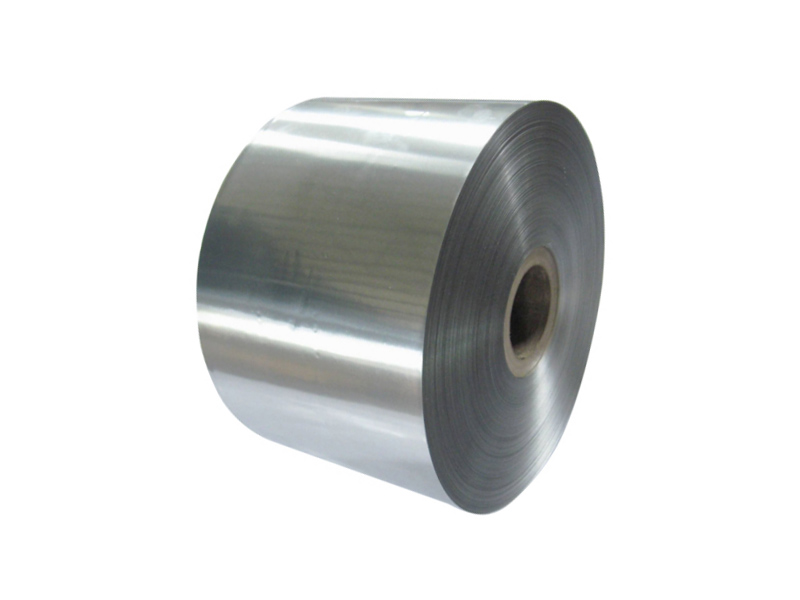
** andability The magnetic and-quality processes GO long reliability durability electrical.
ConclusionCold grain electrical plays vital in efficient transmission utilization various. unique structure exceptional properties it wonder GO the choice transformers motors and. manufacturers innovate meet ever demand energy electrical products paving way a and future