Principle: Using an optical glass lens combination, a clear image is formed on the camera sensor or film by refracting light. After the light enters the lens, it is refracted and focused by multiple groups of lenses, and finally an inverted real image is formed on the sensor. The focal length determines the viewing angle and magnification, and the aperture controls the amount of light entering, affecting exposure and depth of field.
Category: According to whether the focal length can be adjusted, it is divided into zoom lenses and fixed-focus lenses. The zoom lens has adjustable focal length, which is flexible for multiple scenes, but the optical quality may be slightly inferior. The fixed-focus lens has a fixed focal length, better optical quality, and a larger aperture, which is suitable for high-quality shooting.
Buying points:
Look at the focal length
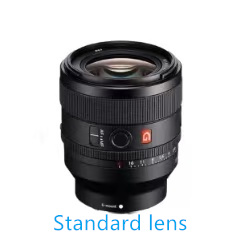
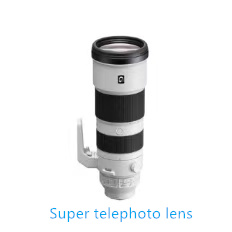
The focal length is the distance from the optical center of the lens to the photosensitive element, which determines how far the lens can capture the scene clearly. Common focal length lenses include wide-angle lenses, standard lenses, telephoto lenses, super telephoto lenses, and macro lenses.
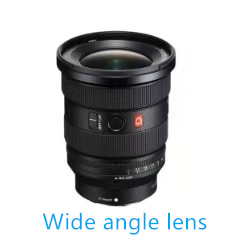
Wide-angle lens: focal length 18-35mm, wide viewing angle, can capture more scenes. Wide-angle lens is easy to produce an exaggerated effect of perspective, making foreground objects appear larger and background appear farther away. Suitable for landscape photography, architectural photography, interior photography.
Standard Lens: Focal length 35-70mm, the viewing angle is close to the viewing angle of the human eye, and the imaging is natural. 50mm lens is called standard lens because it is closest to the viewing angle and perspective effect of the human eye. Suitable for portrait photography, street photography, daily photography.
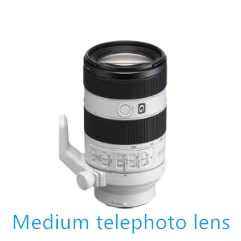
Medium telephoto lens: focal length 70-200mm, narrow viewing angle, good background blur effect, suitable for shooting distant objects and close-ups. Often used in portrait shooting, can compress perspective, make the figure appear more three-dimensional. Suitable for portrait photography, sports photography, wildlife photography.
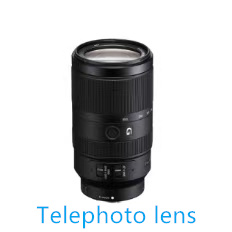
Telephoto lens: focal length > 200mm, very narrow viewing angle, can shoot distant objects. Telephoto lens has a significant compression perspective effect, making distant objects appear closer. Suitable for wildlife photography, sports photography, astrophotography.
Super telephoto lens: focal length > 400mm, very narrow viewing angle, can shoot very long-distance objects, usually requires tripod support. Suitable for wildlife photography, astrophotography, aerial photography.
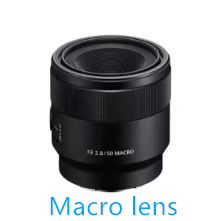
Macro lens: A lens specifically designed to capture very close objects, capable of capturing details and tiny objects. Suitable for shooting insects, flowers, jewelry, food, etc.
Look at the aperture
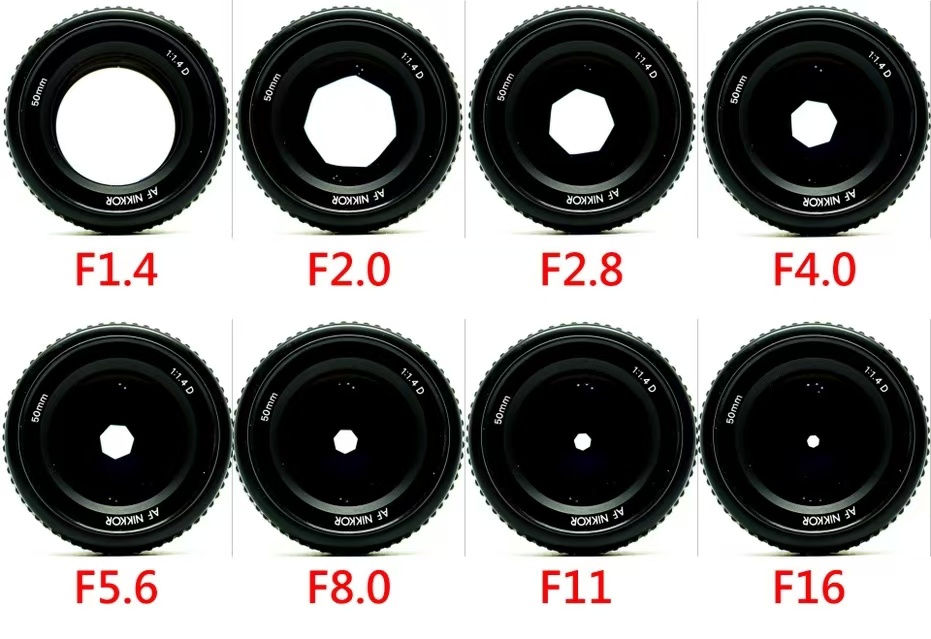
The size of the aperture directly affects the performance of the lens under different lighting conditions and the effect of background blurring (bokeh), usually expressed by the f-value. The smaller the f-value, the larger the aperture, and the more light allowed to enter, the more conducive it is to shooting in low-light environments.
Large aperture (f/1.4, f/2.0, f/2.8): allows a lot of light to enter, can shoot in low-light environment, will produce shallow depth of field, the background blur effect is obvious. Suitable for professional portrait photography, wedding photography.
Medium aperture (f/4, f/5.6): Balances light volume and depth of field, suitable for a variety of light conditions. Suitable for amateur photographers and travel photographers.
Small aperture (f/8, f/11, f/16): will produce a deep depth of field, front and rear scenes are clear, but need more light or slower shutter speed, suitable for landscape photography, architectural photography.
Minimal aperture (f/22 or smaller): Provides an extremely deep depth of field, but may cause a degree of diffraction that results in reduced image detail. Perfect for professional landscape photography, experimental or creative photography that requires extreme depth of field.
Watch autofocus
Autofocus means that the camera can automatically adjust the focal length of the lens to make the subject clearly visible, especially when shooting dynamic scenes, moving objects, or rapidly changing scenes.
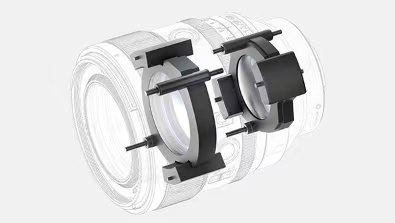
Ultrasonic Motor: Uses ultrasonic vibrations to drive the focusing mechanism, usually very quiet and fast. Suitable for scenes that require fast, quiet focusing, such as wildlife photography, sports photography, and portrait photography.
Stepper Motor: Provides smooth and quiet focusing, especially suitable for video shooting. Suitable for video shooting, still life shooting, and slow focusing needs.
Linear Motor: Provides very fast and accurate focusing, typically used in high-end lenses. Suitable for professional photography scenarios that require extremely high focusing accuracy and speed, such as sports and wildlife photography.
Micromotors: Traditional electric micromotors are usually less expensive, but focus speed and quietness are not as good as modern technology. Suitable for entry-level lenses and users on a budget.
Facial recognition technology has become a pivotal element in modern security systems and smart home innovations. From unlocking your smartphone to controlling access in secure buildings, facial recognition cameras are increasingly prevalent. But what exactly do these cameras look for when identifying and verifying faces? Let’s delve into the core elements of facial recognition technology and how various types of lenses play a role in its effectiveness.
The Basics of Facial Recognition Technology
Facial recognition cameras analyze and identify individuals based on their facial features. Here’s a simplified breakdown of how they work:
-
Image Capture: The process begins with capturing an image of a person's face using a camera. The quality and type of camera lens used can significantly impact the accuracy of this initial step. USB camera lenses, for example, are commonly used in various applications, including facial recognition systems, due to their flexibility and ease of integration with computers and other devices.
-
Feature Detection: Once an image is captured, facial recognition systems utilize algorithms to detect key facial features. These features include the distance between the eyes, the shape of the nose, and the contours of the jawline. Smart home lenses, designed for advanced home security systems, often have high resolution and wide-angle capabilities to capture detailed facial features even in varying lighting conditions.
-
Data Processing: The detected features are then converted into a mathematical representation, known as a faceprint. This faceprint is compared against a database of known faceprints to find a match. Face recognition lenses are specifically engineered to optimize the clarity and precision of this process, ensuring that the camera can accurately capture and analyze facial details.
-
Recognition and Verification: The system matches the faceprint with stored data to verify the individual's identity. This step is critical in applications ranging from unlocking personal devices to granting access to secure facilities.
The Role of Camera Lenses in Facial Recognition
The effectiveness of facial recognition technology is heavily influenced by the quality of the camera lenses used. Here’s how different types of lenses contribute to the accuracy and performance of facial recognition systems:
-
USB Camera Lenses: These lenses are versatile and often used in a range of applications, including facial recognition. Their integration with USB interfaces makes them a popular choice for consumer and professional use. USB camera lenses provide good image quality and are suitable for environments where high-definition video capture is essential.
-
Smart Home Lenses: Designed for smart home security systems, these lenses offer advanced features like high resolution, wide-angle views, and enhanced low-light performance. Smart home lenses are crucial for capturing clear and detailed facial images in various lighting conditions and angles, improving the reliability of facial recognition systems in residential settings.
-
Face Recognition Lenses: Specifically engineered for facial recognition applications, these lenses are optimized to capture fine facial details with high precision. They ensure that facial recognition systems can accurately detect and analyze features, even in complex or challenging environments. Face recognition lenses contribute to the overall performance and accuracy of facial recognition technology.
Facial recognition cameras play a critical role in modern security and smart home systems. By capturing detailed facial images and analyzing key features, these cameras provide a robust method for identifying and verifying individuals. The choice of camera lens—whether USB camera lenses, smart home lenses, or face recognition lenses—can significantly impact the performance of facial recognition systems. As technology continues to evolve, the integration of advanced lenses will further enhance the accuracy and effectiveness of facial recognition applications.
Understanding the components that make up facial recognition technology helps appreciate how it works and the importance of high-quality lenses in achieving reliable results.
Are you tired of leaky roofs and constant repairs? Have you been searching for a roofing solution that combines durability, affordability, and aesthetic appeal? Look no further! Introducing galvanized corrugated roof sheets, the game-changer in modern roofing technology.
What are galvanized corrugated roof sheets?
Why choose corrugated galvanized steel sheets?
What makes corrugated galvanized steel a superior roofing material?
How does the corrugated galvanized steel roof panel enhance the longevity of your roof?
What are galvanized corrugated roof sheets?
Galvanized corrugated roof sheets are made from steel coated with a layer of zinc, creating a protective barrier against corrosion. These sheets are then formed into a corrugated pattern, providing added strength and rigidity. The result is a roofing material that is resilient, durable, and weather-resistant.
Why choose corrugated galvanized steel sheets?
Corrugated galvanized steel sheets offer numerous advantages over traditional roofing options, making them an ideal choice for both residential and commercial applications. With their rust-resistant properties, they can withstand even the harshest weather conditions, ensuring the long-lasting protection of your property.
What makes corrugated galvanized steel a superior roofing material?
First and foremost, galvanized steel is incredibly strong. Its corrugated pattern adds rigidity, making it more resistant to bending or buckling under heavy loads. This strength, combined with its weather-resistant properties, allows it to withstand high winds, heavy rain, and even hailstorms.
Furthermore, galvanized steel is lightweight compared to other roofing materials, reducing the overall load on your structure. This not only makes installation easier but also decreases the stress on your building’s framework, potentially prolonging its lifespan.
How does the corrugated galvanized steel roof panel enhance the longevity of your roof?
The galvanized coating on corrugated steel sheets acts as a sacrificial layer, preventing the underlying steel from corroding. This added protection significantly extends the lifespan of your roof, saving you the hassle and expense of frequent repairs or replacements.
Additionally, the corrugated pattern of the roof panel creates natural drainage channels, allowing rainwater to flow off the roof quickly. This not only prevents water from pooling and causing structural damage but also minimizes the accumulation of debris, reducing the risk of leaks and further extending the lifespan of your roof.
In conclusion, galvanized corrugated roof sheets are a groundbreaking solution for all your roofing needs. Combining strength, durability, and exceptional weather resistance, these sheets provide a long-lasting and cost-effective roofing option. Say goodbye to leaky roofs and constant repairs – embrace the future of roofing technology with galvanized corrugated roof sheets!
Hot dipped galvanized steel coil is a versatile and widely used material in the construction and manufacturing industries. It offers excellent corrosion resistance, durability, and a smooth, shiny finish. If you’re new to working with this type of steel coil, this step-by-step guide will walk you through the process and help you make the most out of it.
Step 1: Understanding Hot Dipped Galvanized Steel Coil
Hot dipped galvanized steel coil is made by immersing steel in a bath of molten zinc. This process creates a protective layer on the surface of the steel, preventing it from rusting or corroding. The coil is then cooled and ready to be used in various applications.
Step 2: Preparing for the Project
Before using hot dipped galvanized steel coil, make sure you have all the necessary tools and equipment. This may include safety goggles, gloves, a tape measure, a level, shears or a metal cutting saw, and fasteners suitable for galvanized steel.
Step 3: Measuring and Cutting
Take accurate measurements of the area where you will be installing or fabricating with the galvanized steel coil. Use a tape measure and level to ensure precise measurements. Once measured, carefully cut the coil using shears or a metal cutting saw, following the measurements taken.
Step 4: Handling and Safety
Always wear safety goggles and gloves when handling hot dipped galvanized steel coil. The edges of the coil can be sharp, so exercise caution to prevent any injuries. Avoid dragging the coil across surfaces, as this can cause scratches or damage to the galvanized coating.
Step 5: Installation or Fabrication
Whether you’re installing galvanized steel coil as roofing material or fabricating it for various applications, ensure that the surface it will be attached to is clean and free from any debris or rust. Use appropriate fasteners recommended for use with galvanized steel to ensure a secure fit.
Step 6: Maintenance and Care
Hot dipped galvanized steel coil requires minimal maintenance. However, over time, it may develop small patches of white powdery deposits known as white rust. To remove these deposits, use a soft brush or cloth with a mild detergent solution. Avoid using abrasive materials that can scratch the protective coating.
Step 7: Additional Tips
Avoid exposing galvanized steel coil to extreme temperatures, as it can affect the protective coating.
Regularly inspect the galvanized steel for any signs of damage or corrosion, especially in areas with heavy exposure to moisture.
If welding galvanized steel coil, take appropriate safety precautions to avoid inhaling toxic fumes.
With these simple steps, you can confidently begin using hot dipped galvanized steel coil in your projects. Its durability, corrosion resistance, and easy maintenance make it a reliable choice for a wide range of applications. Remember to follow safety guidelines and consult professionals for specialized projects. Happy constructing and fabricating!
Low carbon steel is widely used in various industries due to its exceptional properties of durability, versatility, and cost-effectiveness. When it comes to low carbon steel, there are three primary forms: sheet, plate, and coil. In this blog post, we will compare and contrast these different products, providing you with a comprehensive overview that will aid in making an informed decision for your specific needs.
Low Carbon Steel Sheet
Low carbon steel sheets are flat plates made from steel alloys with a carbon content of less than 0.25%. These sheets offer excellent weldability, formability, and machinability. They are commonly used in construction, automotive, and fabrication industries. Low carbon steel sheets come in various thicknesses and sizes, making them ideal for a wide range of applications.
Low Carbon Steel Plate
Low carbon steel plates are thicker than sheets and provide greater strength and impact resistance. They are commonly used in structural applications, such as bridges, buildings, and machinery. The increased thickness of low carbon steel plates makes them ideal for applications that require load-bearing capacity and durability.
Low Carbon Steel Coil
Low carbon steel coils are long, continuous strips of steel that are rolled into a coil form. These coils offer exceptional formability and are commonly used in manufacturing processes such as stamping, bending, and deep drawing. Due to their flexibility, low carbon steel coils find applications in the automotive, construction, and appliance industries.
Cold Rolled Mild Steel
Cold-rolled mild steel refers to low carbon steel that has undergone a cold reduction process, which imparts improved surface finish, dimensional accuracy, and tighter tolerances. Cold rolling also enhances the strength and hardness of the material. Cold rolled mild steel is commonly used in applications that require precise shapes, such as furniture, appliances, and automotive components.
Steel Coil Manufacturers
When looking for low carbon steel coils, it is crucial to choose a reputable and reliable steel coil manufacturer. Ensure that the manufacturer adheres to strict quality control standards, offers a wide range of products, and has a track record of meeting customer requirements. By selecting a trusted manufacturer, you can be confident in the quality and reliability of your low carbon steel coils.
Overall, whether you require low carbon steel sheet, plate, or coil, each option has its unique advantages and applications. Low carbon steel sheet is ideal for its formability and weldability, while low carbon steel plate provides exceptional strength and impact resistance. Low carbon steel coil, on the other hand, offers flexibility and suitability for various manufacturing processes. By understanding these differences, you can effectively choose the best option based on your specific needs.
In conclusion, low carbon steel in its various forms is an excellent choice for many industrial applications. Whether you opt for sheet, plate, or coil, low carbon steel provides durability, versatility, and cost-effectiveness. Assess your requirements carefully and consult with a reputable steel coil manufacturer to ensure you make an informed decision that aligns with your desired outcome.
When it comes to the world of electrical engineering, finding the right materials is paramount. One such material that has revolutionized the industry is non-grain oriented electrical steel. In this blog post, we will explore the power of non-grain oriented electrical steel sheets, plates, and coils, and how they can enhance efficiency and performance in various applications.
Understanding Non-Grain Oriented Electrical Steel
Non-grain oriented electrical steel is a specialized type of steel that exhibits superior magnetic properties. It is manufactured through a precise process involving cold rolling, leading to a highly uniform structure. This unique composition allows for minimal energy loss and high magnetic permeability, making it an ideal choice for electrical applications.
The Benefits of Non-Grain Oriented Electrical Steel Sheets
1. Enhanced Efficiency
Non-grain oriented electrical steel sheets offer exceptional efficiency, ensuring that minimal energy is wasted in the form of heat. With reduced energy losses, electrical devices and machinery can operate more efficiently, resulting in cost savings and reduced environmental impact.
2. Improved Performance
The uniform structure of non-grain oriented electrical steel sheets contributes to improved performance in various electrical devices, including generators, motors, transformers, and more. This steel enables smooth and efficient magnetic flux flow, leading to increased power transmission and overall performance.
3. Versatility in Applications
Non-grain oriented electrical steel sheets are versatile and can be tailored to meet the specific requirements of different applications. Whether it’s in renewable energy systems, automotive components, or consumer electronics, this steel offers the flexibility needed to optimize performance and efficiency in various contexts.
Non-Grain Oriented Electrical Steel Plates: A Strong Foundation
In addition to sheets, non-grain oriented electrical steel plates are another essential component in electrical systems. With their larger surface area, these plates provide a solid foundation for various equipment. They help to withstand high currents, resist mechanical stress, and ensure reliable performance over an extended period.
Cold Rolled Non-Grain Oriented Steel Coils: A Seamless Solution
Cold rolled non-grain oriented steel coils offer several advantages when it comes to manufacturing electrical components. These coils provide a seamless and continuous supply of the material, ensuring consistent quality and efficient production processes. Their uniformity and precision make them highly suitable for applications requiring precision and reliability.
Empowering Electrical Systems with Non-Grain Oriented Electrical Steel
The use of non-grain oriented electrical steel has transformed the electrical industry by empowering systems with greater efficiency, performance, and reliability. From power generation to distribution, this steel plays a vital role in numerous applications, enabling us to enjoy reliable electricity every day.
In conclusion, non-grain oriented electrical steel sheets, plates, and coils have emerged as a game-changer in the field of electrical engineering. Their exceptional magnetic properties, enhanced efficiency, improved performance, and versatility make them a preferred choice for various applications. As technology continues to advance, non-grain oriented electrical steel will undoubtedly remain at the forefront, powering a more sustainable and efficient future.
Low carbon steel is a popular choice in various industries due to its numerous advantages, such as high ductility, excellent formability, and good weldability. When it comes to low carbon steel, there are different product options available, including low carbon steel sheet, low carbon steel plate, and low carbon steel coil. In this article, we will compare and contrast these products to help you understand their unique features and applications.
Low Carbon Steel Sheet
Low carbon steel sheets are flat-rolled steel products with a thickness typically ranging from 0.4mm to 3mm. These sheets are commonly used in automotive, construction, and general engineering applications. They offer good strength and are easy to form, making them suitable for applications that require complex shapes or parts.
One of the main advantages of low carbon steel sheets is their cost-effectiveness. They are relatively inexpensive compared to other types of steel. Additionally, their low carbon content ensures better weldability and reduced risk of cracking during fabrication.
Low Carbon Steel Plate
Low carbon steel plates, on the other hand, are thicker steel sheets with a thickness exceeding 3mm. They are commonly used in heavy-duty applications that require higher strength and durability. Low carbon steel plates find applications in construction, shipbuilding, pressure vessels, and boilers, among other industries.
Compared to low carbon steel sheets, plates offer greater strength and load-bearing capacity. They are designed to withstand higher stresses and provide enhanced resistance to impact and wear. However, due to their thickness, low carbon steel plates can be more challenging to shape and form.
Low Carbon Steel Coil
Low carbon steel coils are continuous, long rolls of steel that are typically used for further processing, such as cutting, slitting, and shaping. These coils are primarily used in industries like automotive, appliances, and pipe manufacturing. They offer excellent dimensional accuracy and surface finish.
The main advantage of low carbon steel coils is their versatility. They can be easily customized and cut into various widths and lengths, suiting different manufacturing requirements. Coils are also advantageous in terms of efficient storage and transportation, making them a preferred choice for steel coil manufacturers and distributors.
Conclusion
In summary, low carbon steel products, such as sheets, plates, and coils, offer distinct advantages depending on the application and manufacturing needs. Low carbon steel sheets provide cost-effectiveness and formability, while low carbon steel plates offer higher strength and durability. Low carbon steel coils are versatile and suitable for various processing methods. Ultimately, the choice between these products depends on the specific requirements of your project.
Low carbon steel coil is a versatile and widely used material in various industries. Its excellent strength, durability, and affordability make it a popular choice for manufacturing processes. If you are new to working with low carbon steel coil, this step-by-step guide will help you navigate through the basics.
Step 1: Familiarize Yourself with Low Carbon Steel Coil
Before you start using low carbon steel coil, it’s important to understand its characteristics and properties. Low carbon steel coil has a carbon content of 0.05% to 0.25%, making it softer and more ductile compared to high carbon steel. This lower carbon content also improves its weldability and machinability.
Step 2: Prepare the Workspace
Ensure you have a clean and organized workspace with all the necessary tools and equipment. This may include safety gear such as gloves, goggles, and aprons. Low carbon steel coil is often supplied in the form of coils or sheets, so make sure you have the appropriate handling and cutting tools ready.
Step 3: Measure and Cut the Low Carbon Steel Coil
Take accurate measurements of the low carbon steel coil based on your project requirements. Use a ruler or measuring tape to mark the desired length and width on the coil. Then, using a suitable cutting tool such as shears or a band saw, carefully cut the coil along the marked lines.
Step 4: Clean the Surface
Before proceeding with any further processing or manufacturing, it’s essential to clean the surface of the low carbon steel coil. Use a mild cleaning agent and a lint-free cloth to remove any dirt, dust, or oily residue. A clean surface ensures better adhesion, welding, and overall performance of the material.
Step 5: Apply Any Required Coatings or Treatments
Depending on your project’s needs, you may need to apply coatings or treatments to the low carbon steel coil. This could include primers, paints, or corrosion-resistant coatings. Follow the manufacturer’s instructions and apply the coatings evenly and thoroughly. Allow sufficient drying time before moving on to the next step.
Step 6: Form or Shape the Low Carbon Steel Coil
Now comes the exciting part - shaping the low carbon steel coil according to your specific requirements. This can be done through various methods such as bending, rolling, or stamping. Use the appropriate tools and techniques to achieve the desired shape, ensuring accuracy throughout the process.
Step 7: Assemble or Install the Low Carbon Steel Coil
If your project involves assembling or installing the low carbon steel coil, take precise measurements and ensure proper alignment. Depending on the application, this may involve welding, fastening with screws or rivets, or using adhesives. Follow the recommended guidelines and standards for secure and durable connections.
Step 8: Inspect and Test the Final Product
Once your project using low carbon steel coil is complete, it’s crucial to inspect and test the final product. Check for any defects, inconsistencies, or weak points. Conduct necessary tests to ensure the performance and quality of your work. Consult relevant industry standards and specifications to validate the finished product.
Conclusion
Working with low carbon steel coil can be an enjoyable and rewarding experience. By following these step-by-step instructions, you can confidently handle, shape, and utilize low carbon steel coil for your projects. Remember to prioritize safety, precision, and quality throughout the entire process. With practice and patience, you’ll become proficient in harnessing the potential of low carbon steel coil for your manufacturing needs.
Low carbon steel is a popular choice in various industries due to its versatility and cost-effectiveness. It is known for its durability and suitability for welding, bending, and forming applications. In this article, we will compare and contrast different products and services related to low carbon steel, including Low Carbon Steel Sheet, Low Carbon Steel Plate, low carbon steel coil, and Cold Rolled Mild Steel. We will also highlight leading steel coil manufacturers in the market.
1. Low Carbon Steel Sheet
Low carbon steel sheets are flat-rolled steel products that have a low carbon content, typically ranging from 0.04% to 0.30%. They are widely used in construction, automotive, and manufacturing industries. Low carbon steel sheets offer excellent weldability and formability, making them suitable for various fabrication processes.
2. Low Carbon Steel Plate
Low carbon steel plates are thicker than sheets and primarily used in structural applications. They provide superior strength and durability, making them ideal for heavy-duty machinery, construction equipment, and infrastructure projects. Low carbon steel plates can withstand higher stress and impact loads compared to sheets.
3. Low Carbon Steel Coil
Low carbon steel coils consist of a continuous strip of steel that is wound into a roll. The coil format offers cost advantages in large-scale production and facilitates efficient transportation. Low carbon steel coils are commonly used for manufacturing pipes, tubes, and various industrial components.
4. Cold Rolled Mild Steel
Cold rolled mild steel refers to low carbon steel that has undergone a cold rolling process. This process involves passing the steel through rollers at room temperature, resulting in improved surface finish, dimensional accuracy, and greater strength. Cold rolled mild steel is widely used in the automotive, appliance, and furniture industries.
Leading Steel Coil Manufacturers
When it comes to steel coil manufacturers, several notable names have established a strong reputation in the industry. Some of the leading manufacturers include:
XYZ Steel Coils: Known for their commitment to quality and advanced production techniques, XYZ Steel Coils offer a wide range of low carbon steel coils suitable for various applications.
ABC Steel Industries: ABC Steel Industries excel in producing high-quality cold rolled mild steel, ensuring consistent thickness and excellent surface finish.
123 Manufacturing: With years of experience in the steel industry, 123 Manufacturing is renowned for their low carbon steel coils that meet stringent quality standards.
In conclusion, low carbon steel is a versatile and cost-effective material used in a wide range of industries. Whether you require low carbon steel sheets, plates, coils, or cold rolled mild steel, there are reputable manufacturers in the market offering reliable products. By understanding the differences between these products, you can make an informed decision based on your specific application requirements.
Corrugated galvanized steel roof sheets are an excellent choice for both residential and commercial buildings. These durable, weather-resistant sheets provide outstanding protection and an appealing aesthetic to any structure. With their unique corrugated pattern, they offer strength, versatility, and longevity, making them a popular roofing option.
One of the significant advantages of using corrugated galvanized steel roof sheets is their exceptional durability. Designed to withstand harsh weather conditions, these sheets provide reliable protection against rain, snow, wind, and even extreme temperatures. Their corrosion-resistant properties ensure that they stay in excellent condition, even when exposed to moisture and humidity.
Another notable benefit of corrugated galvanized steel sheets is their versatility. Available in various sizes and thicknesses, they can be tailored to meet different project requirements. Whether it’s for a small shed or a large industrial warehouse, these sheets can be easily adapted to fit any roof structure. Their lightweight nature also makes them easy to install, reducing labor costs and time.
Furthermore, corrugated galvanized steel roof sheets are aesthetically pleasing. Their distinctive rippled design adds character to any building, making them an attractive choice for architects, homeowners, and business owners alike. Moreover, they can be painted in various colors to suit specific preferences, blending seamlessly with the overall design of the property.
In terms of sustainability, corrugated galvanized steel roof sheets are an environmentally friendly option. They are made from recycled materials and can be recycled again at the end of their lifespan. This reduces waste and contributes to sustainable construction practices, aligning with the growing demand for eco-friendly building materials.
Whether you are building a new structure or looking to replace an existing roof, corrugated galvanized steel roof sheets offer unmatched durability, versatility, and aesthetic appeal. With their ability to withstand the harshest elements, they provide long-lasting protection for your property. Invest in these reliable sheets to enhance the overall functionality and visual appeal of your roof.